

Bringing Living Heritage and Urban Planning into Dialogue: European Capacity-Building Workshop in Antwerp
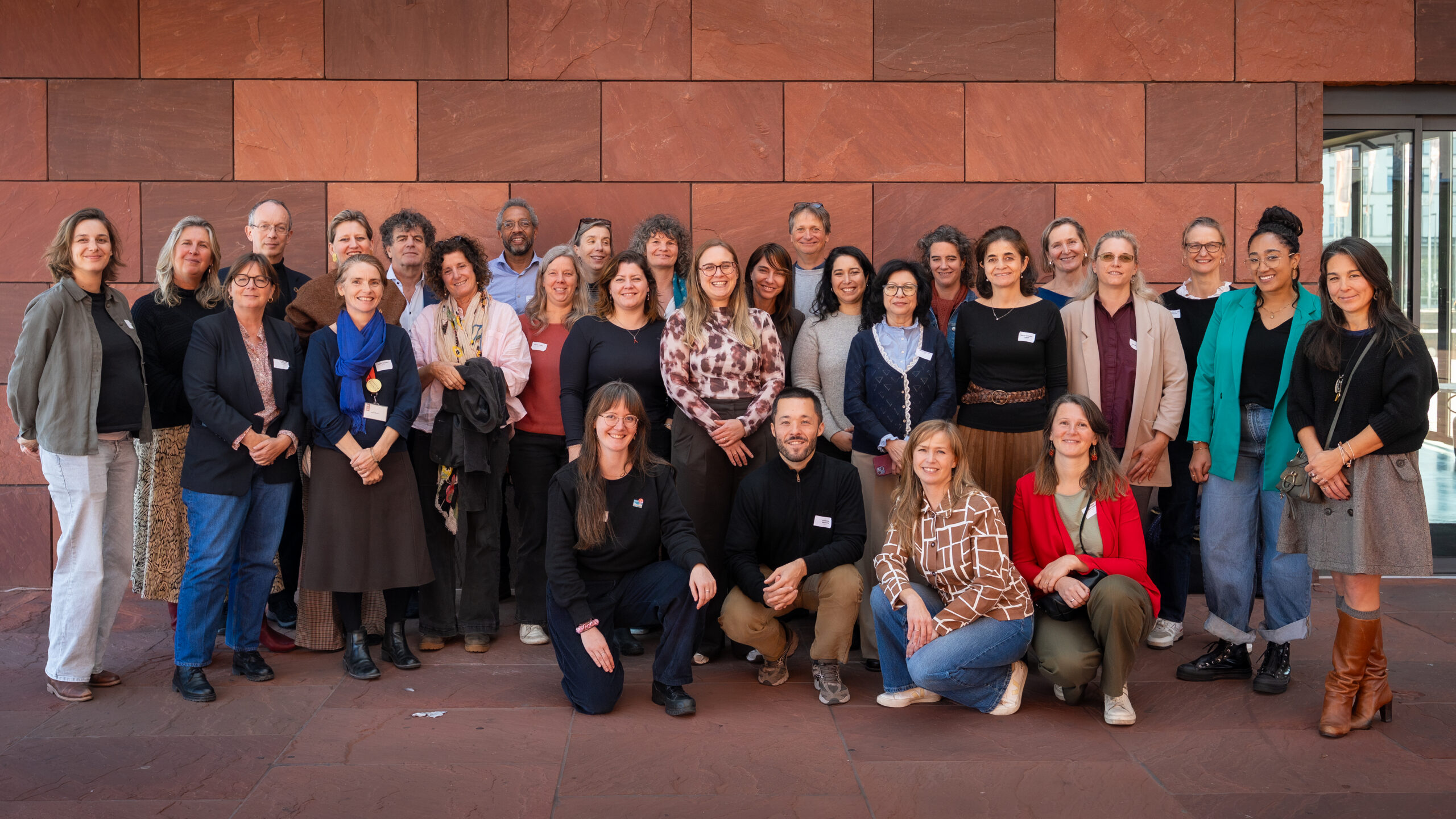
On 12–13 October 2026, FLAME – European Centre for the Safeguarding of Living Heritage brought together around 30 multi-disciplinary experts from across Europe in Antwerp for a two-day workshop exploring how living heritage can be safeguarded in changing urban environments.
Exploring the relationship between living heritage and urban development
Cities are constantly evolving. Urban planning, changing demographics, new infrastructure and transformations in the use of public spaces all influence how people practise, share and transmit their living heritage. Understanding these relationships is essential to ensuring that people can continue to nurture their traditions while adapting to changing urban environments.
These questions were at the heart of the European Capacity-Building Workshop on Safeguarding Living Heritage in Urban Contexts, organised by FLAME in collaboration with the UNESCO Chair on Critical Heritage Studies and Safeguarding of Intangible Cultural Heritage at the University of Antwerp, with the active involvement of MAS and Heritage Lab Antwerp.
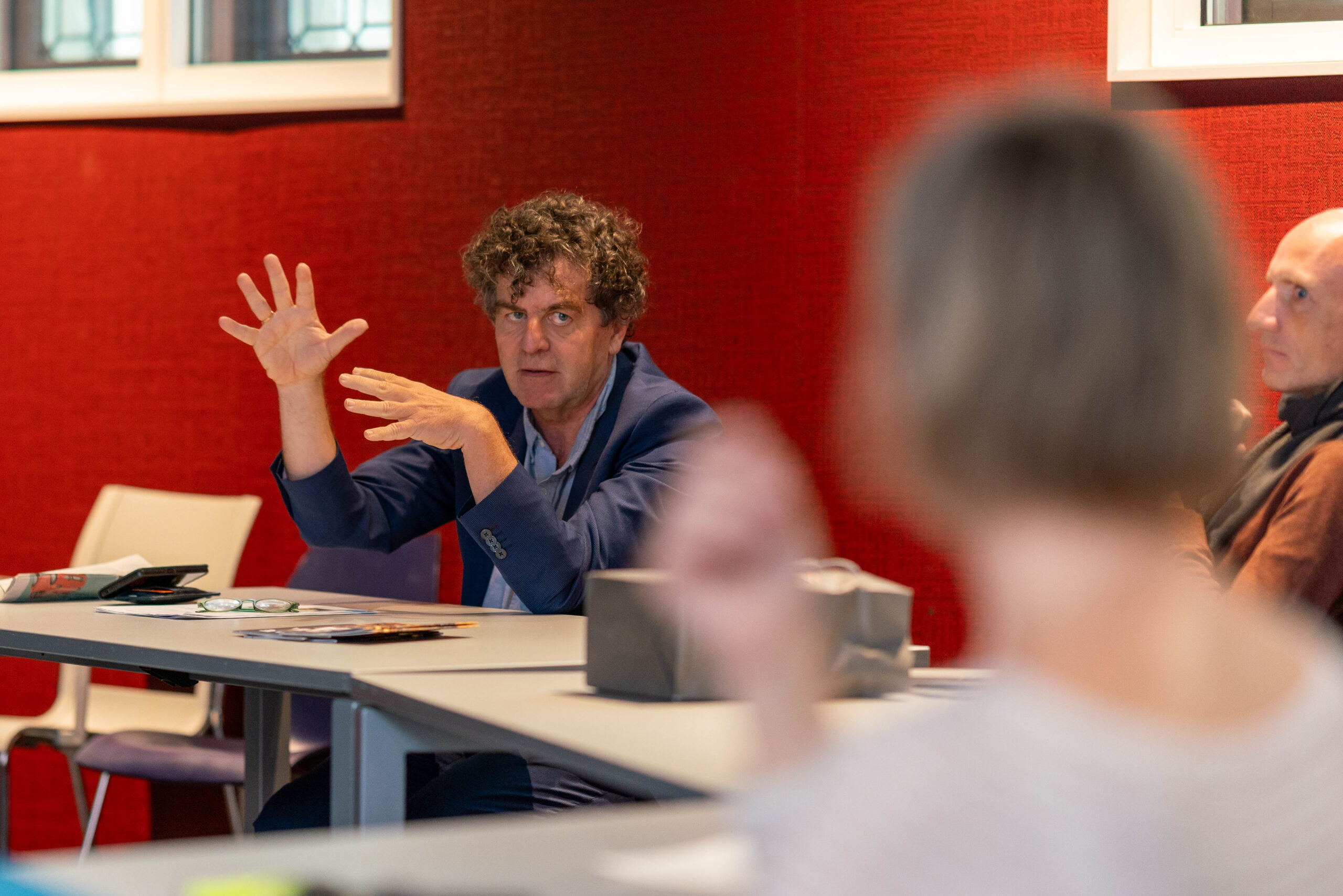
Held at the MAS Museum in Antwerp, the workshop brought together 30 participants from across Europe for a dynamic programme combining training of methodologies, practical exercises, field visits with practitioner experiences, various expert contributions, and collective discussions. The workshop thus provided a space for practical exploration of the relationships between living heritage and urban planning, and for reflecting on how different community and professional perspectives can inform and strengthen the safeguarding of living heritage in cities.
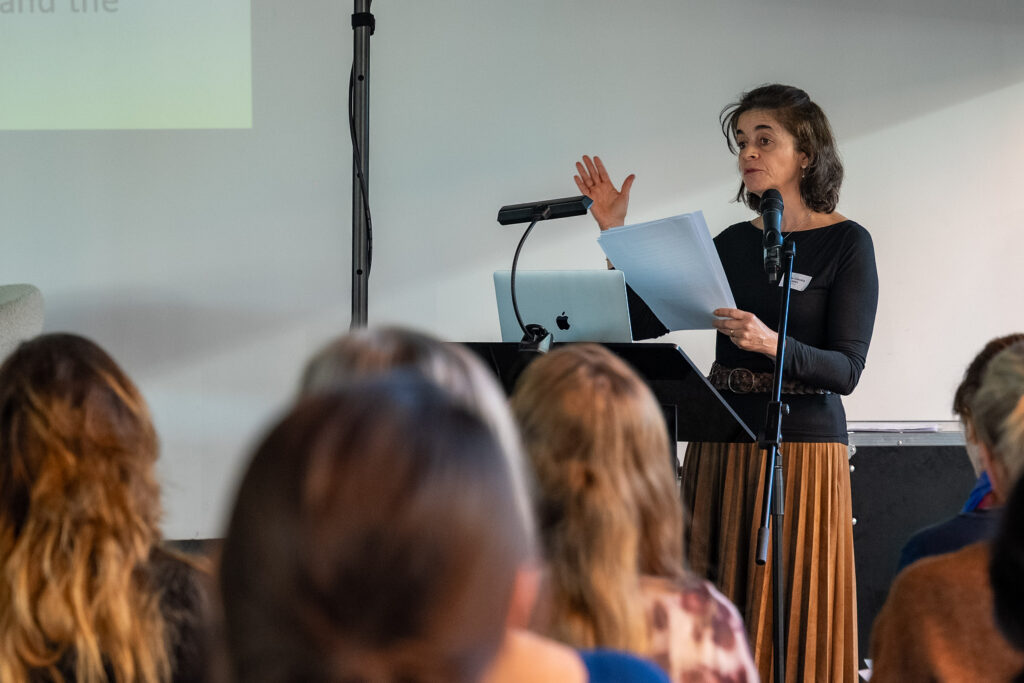
This capacity building programme connects to the work surrounding UNESCO’s Guidance Note on Safeguarding Intangible Cultural Heritage in Urban Contexts and its associated training materials. María Claudia López, who led the international process behind the development of the Guidance Note and its related training materials, guided the workshop, supporting participants in engaging with the methodological tools and applying them to concrete examples of living heritage in Antwerp.
Putting methodological tools into practice
The first day introduced the conceptual and methodological framework, exploring how urban planning and transformations affect the spaces, resources and social relationships that sustain living heritage practices.
Steve Severeyns of the Belgian funfair community shared his experiences of navigating urban planning and negotiating with local authorities, providing a concrete case study for further exploration during the workshop.
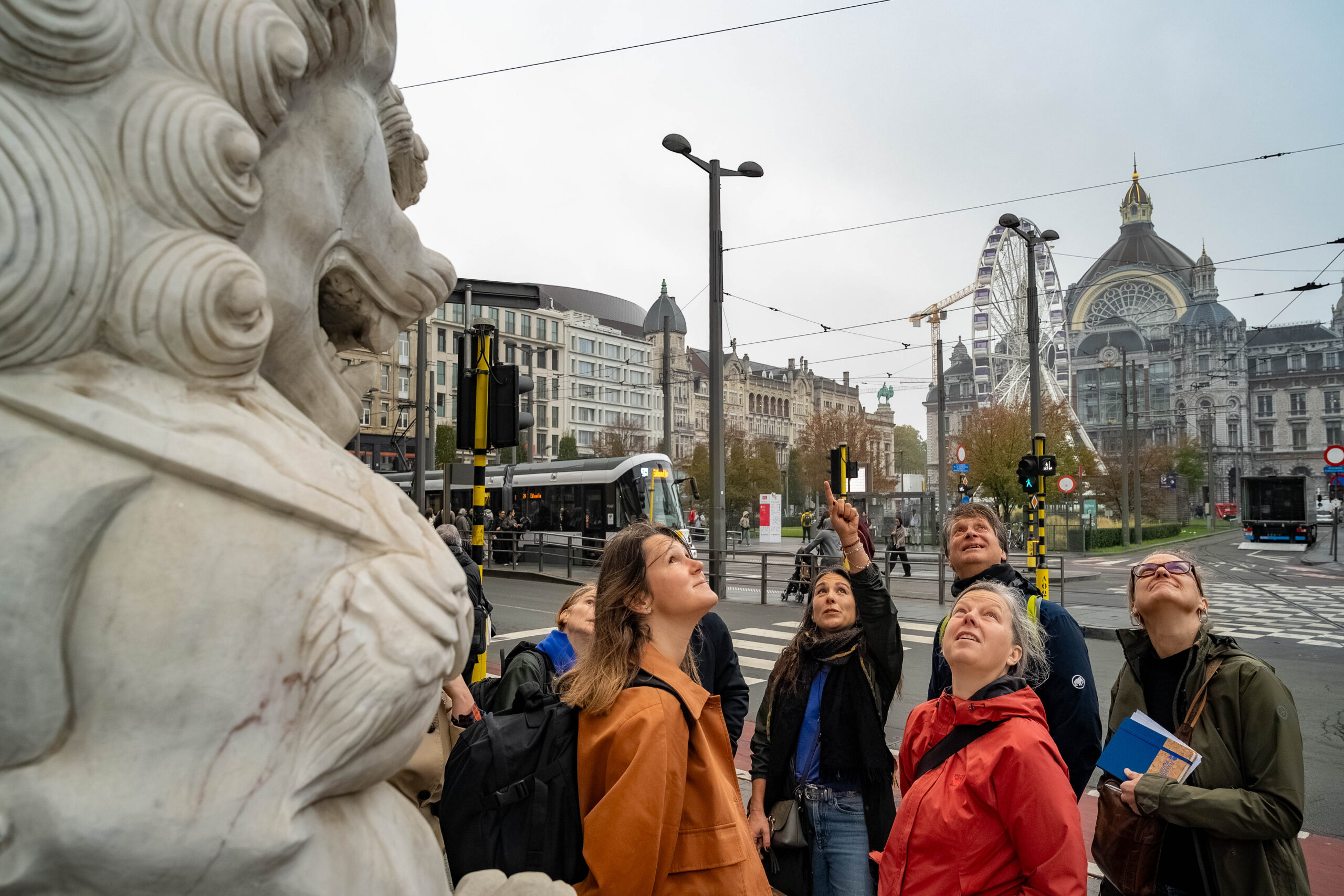
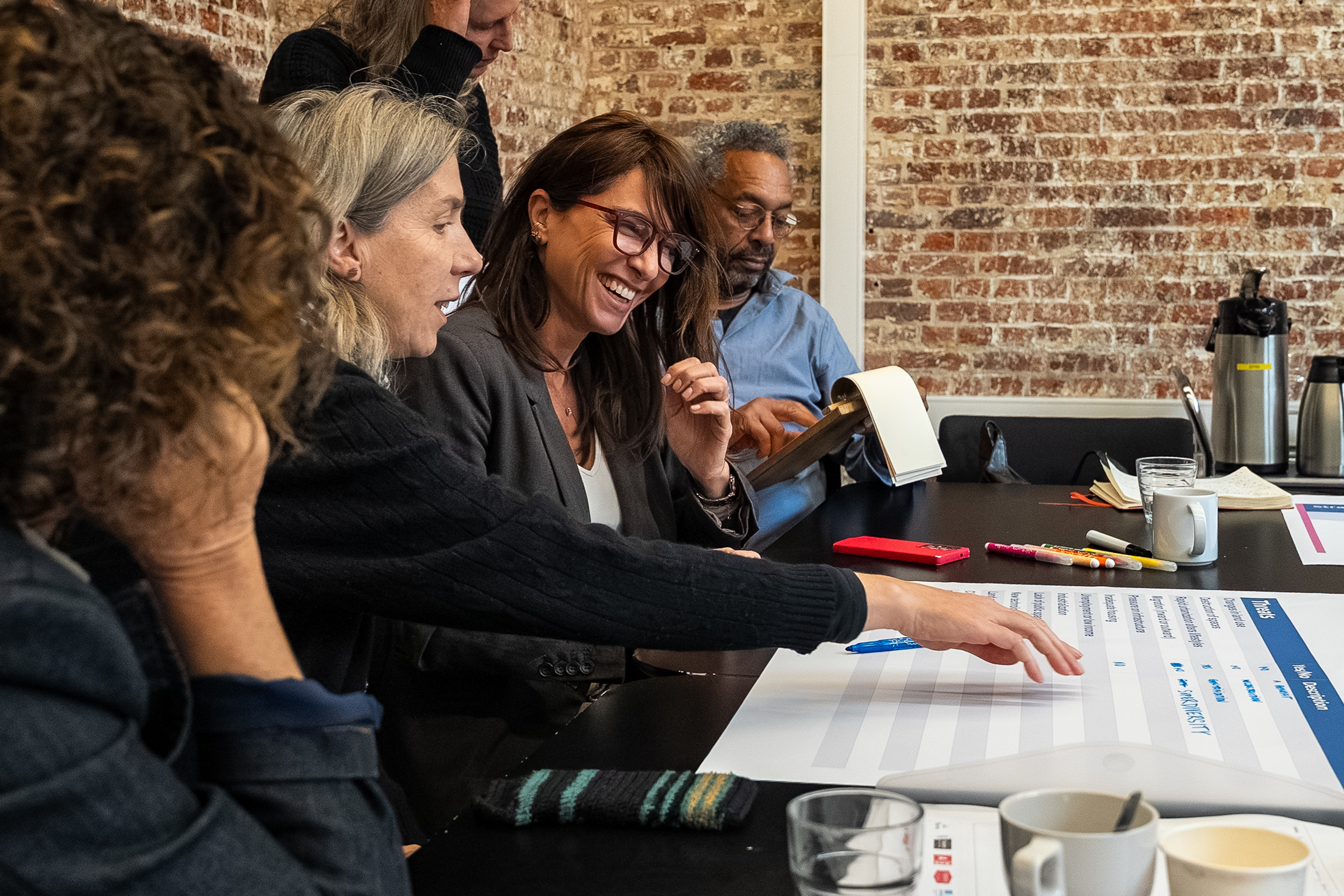
The second day focused on applying and testing the methodological tools through four field visits exploring living heritage practices in Antwerp. Participants engaged with practitioners and diverse stakeholders involved in shaping and sustaining these practices in the city.
The practical exercises were structured around three main questions:
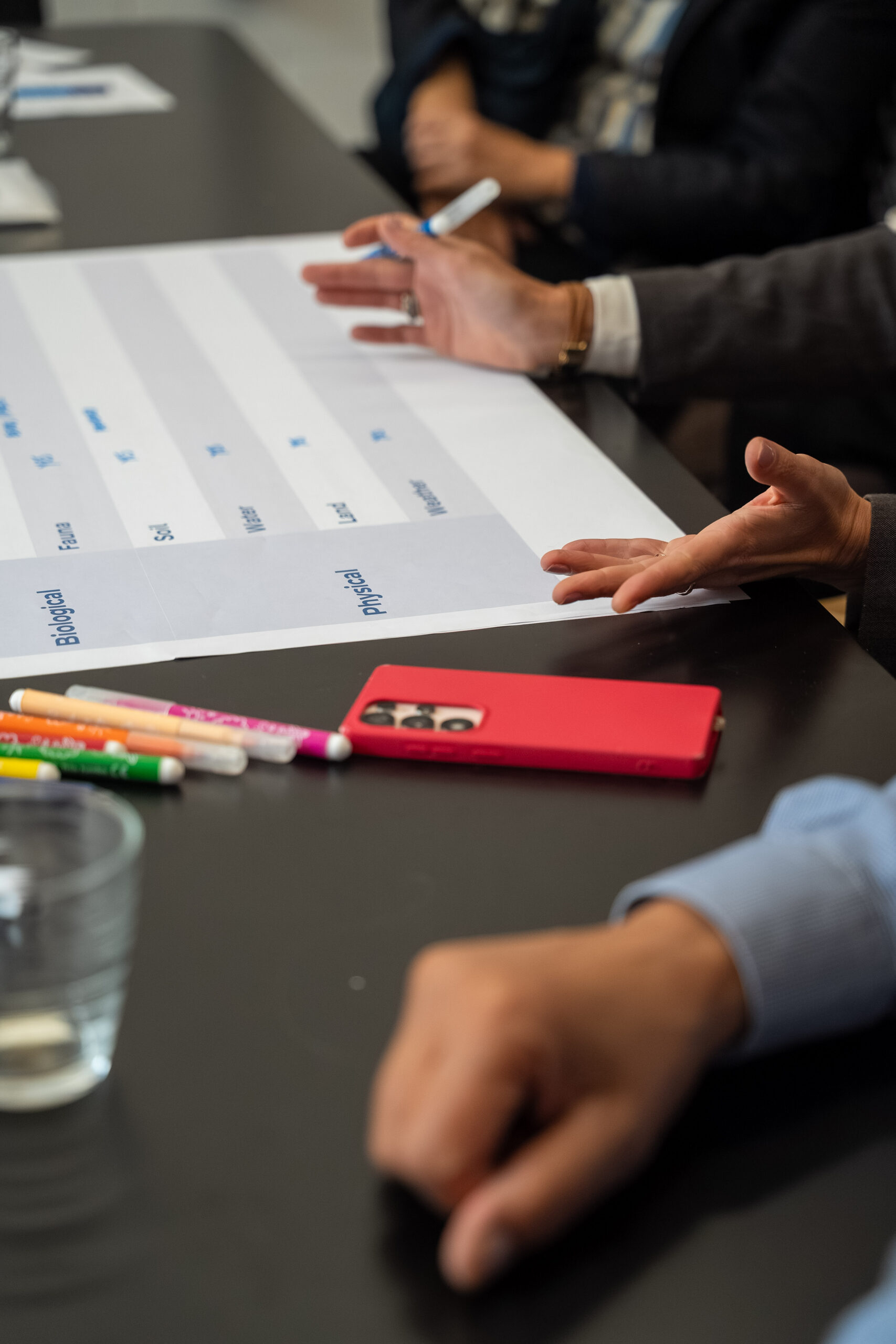
- How does the living heritage practice relate to the urban environment? Participants explored its connections with four urban planning structures: ecological, functional, socioeconomic, and built heritage.
- What challenges or threats affect the practice? Participants examined how urban transformations and wider social and economic changes influence its practise and transmission.
- What safeguarding measures can be developed? Participants identified possible actions, their implementation and the stakeholders involved.
The tools offered a shared framework for moving from observation and analysis towards concrete safeguarding measures and urban planning approaches. Applying them to different heritage practices also revealed challenges in accommodating their specific characteristics, providing valuable insights for further refining the tools.
Learning from the living heritage in Antwerp
The field visits brought participants into contact with four different examples of living heritage, offering distinct perspectives on the relationship between heritage practices and urban space.
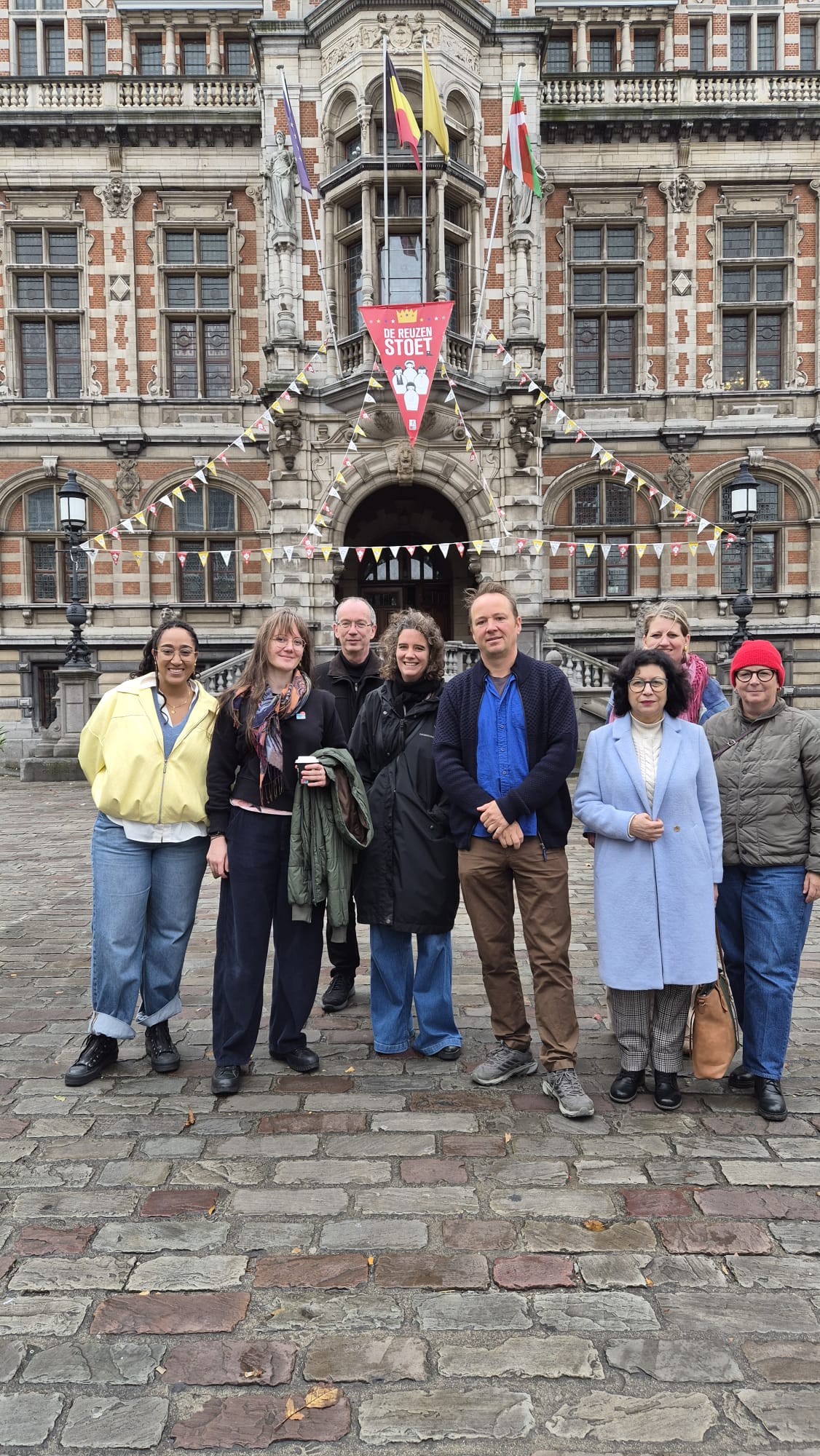
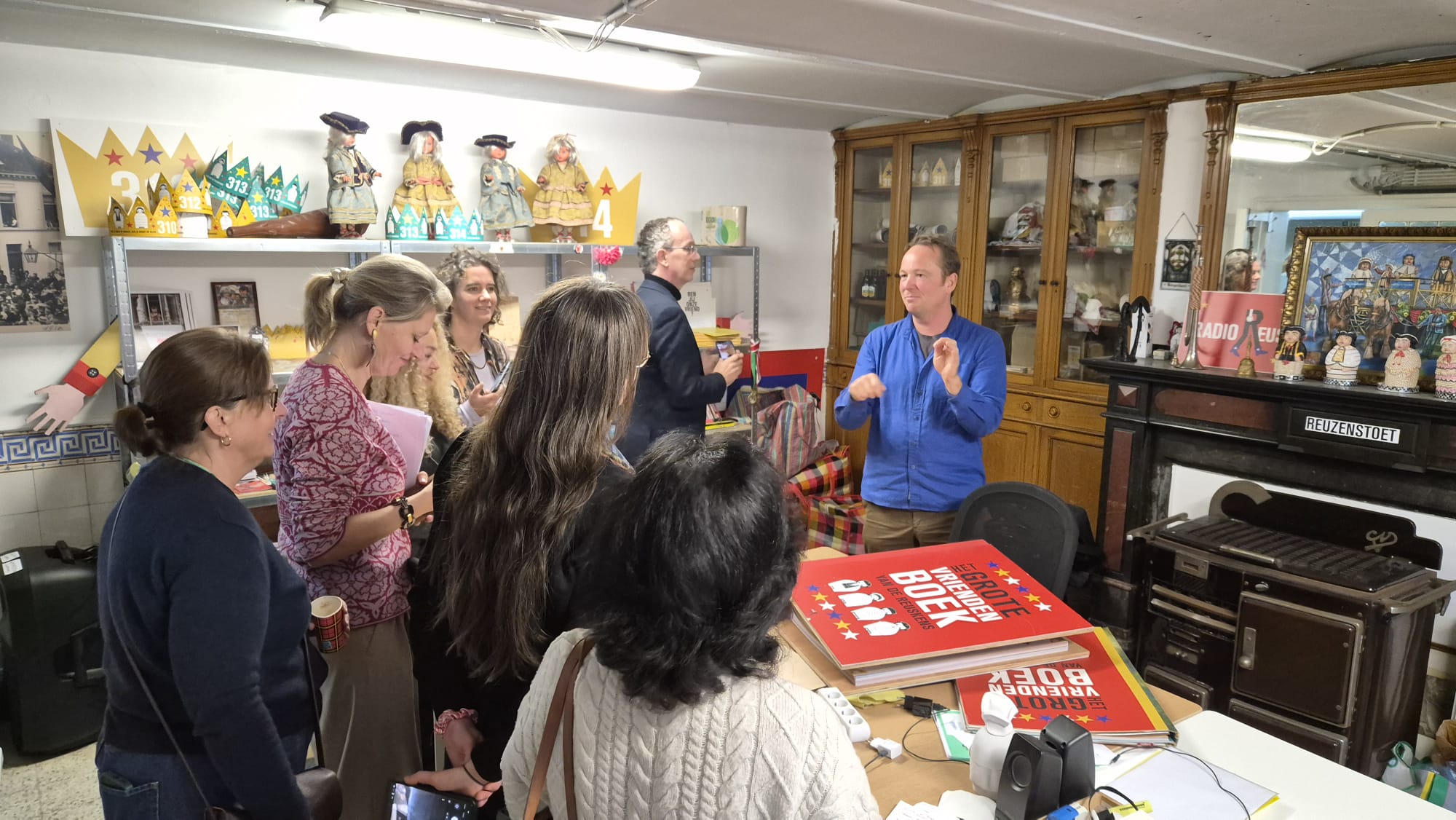
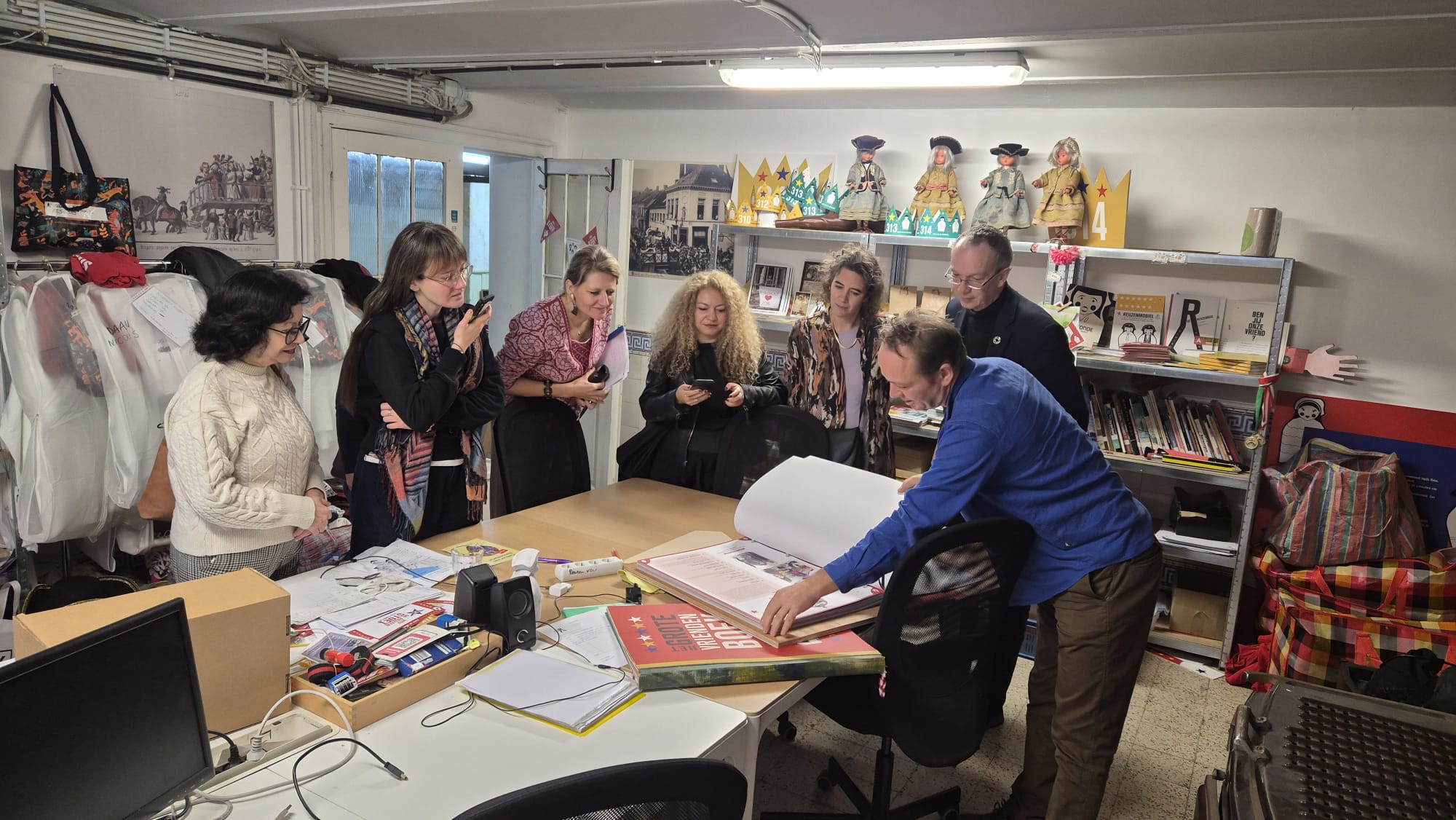
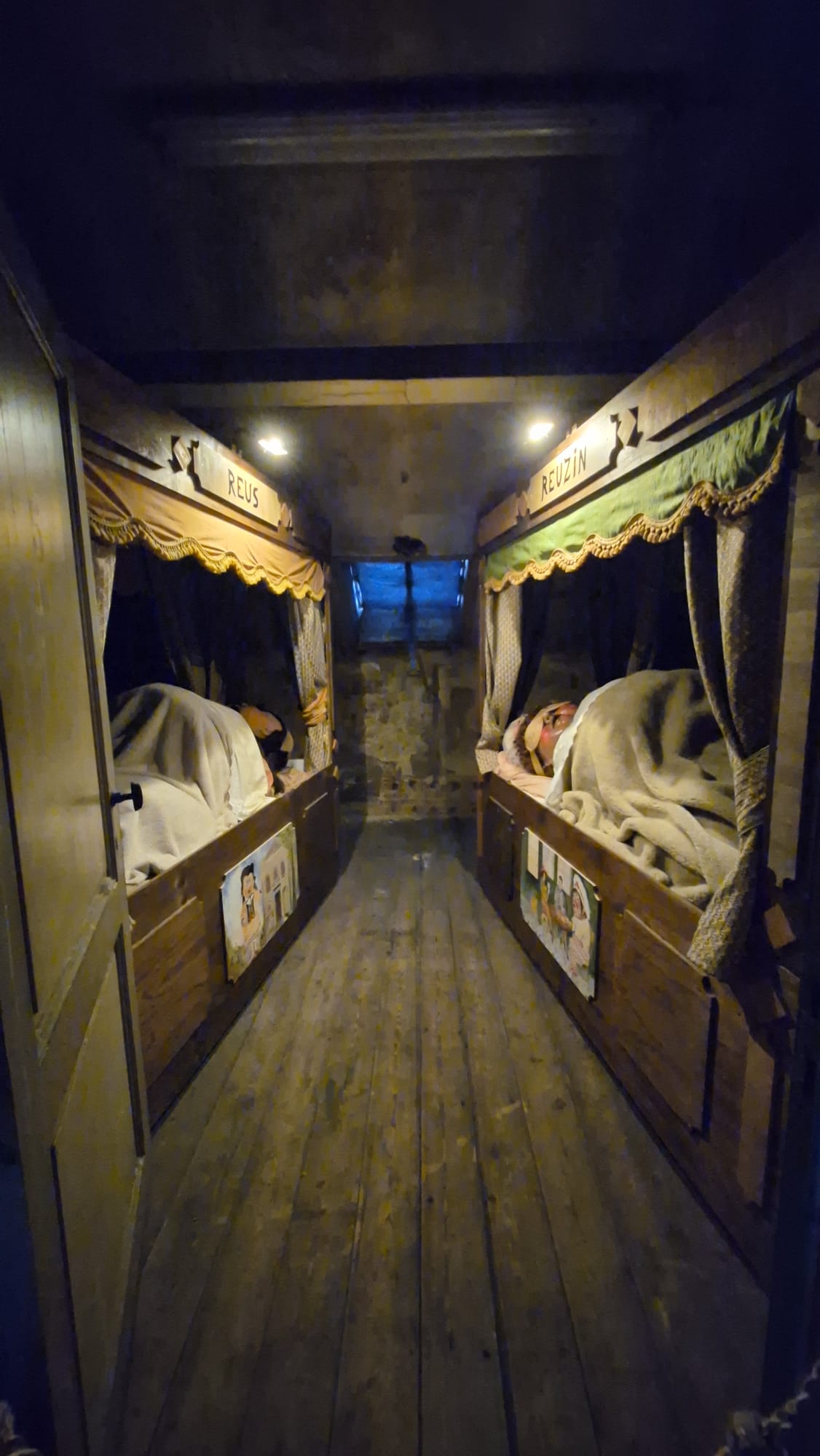
The visit to the Reuskens tradition in Borgerhout explored the role of ‘giants’ in local cultural life and their connections with the neighbourhood. Participants learned about the tradition and the people involved in keeping it alive, while considering the importance of community spaces, procession routes and local networks.
The exchange explored the spaces needed to prepare, store and maintain the giants, organise activities and bring community members together. It also opened discussions about how mobility, urban development and access to suitable spaces can influence the continuity of such practices.
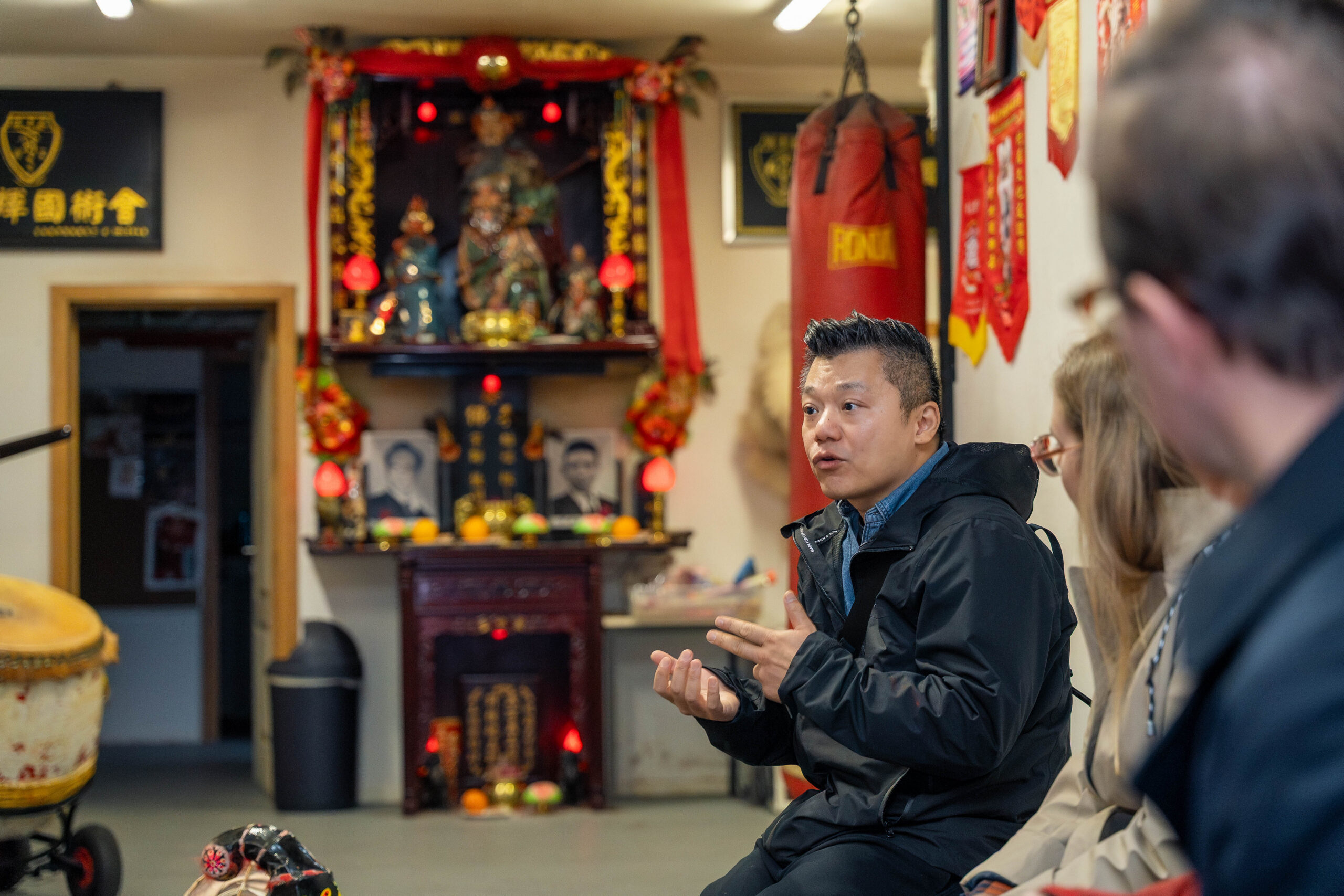
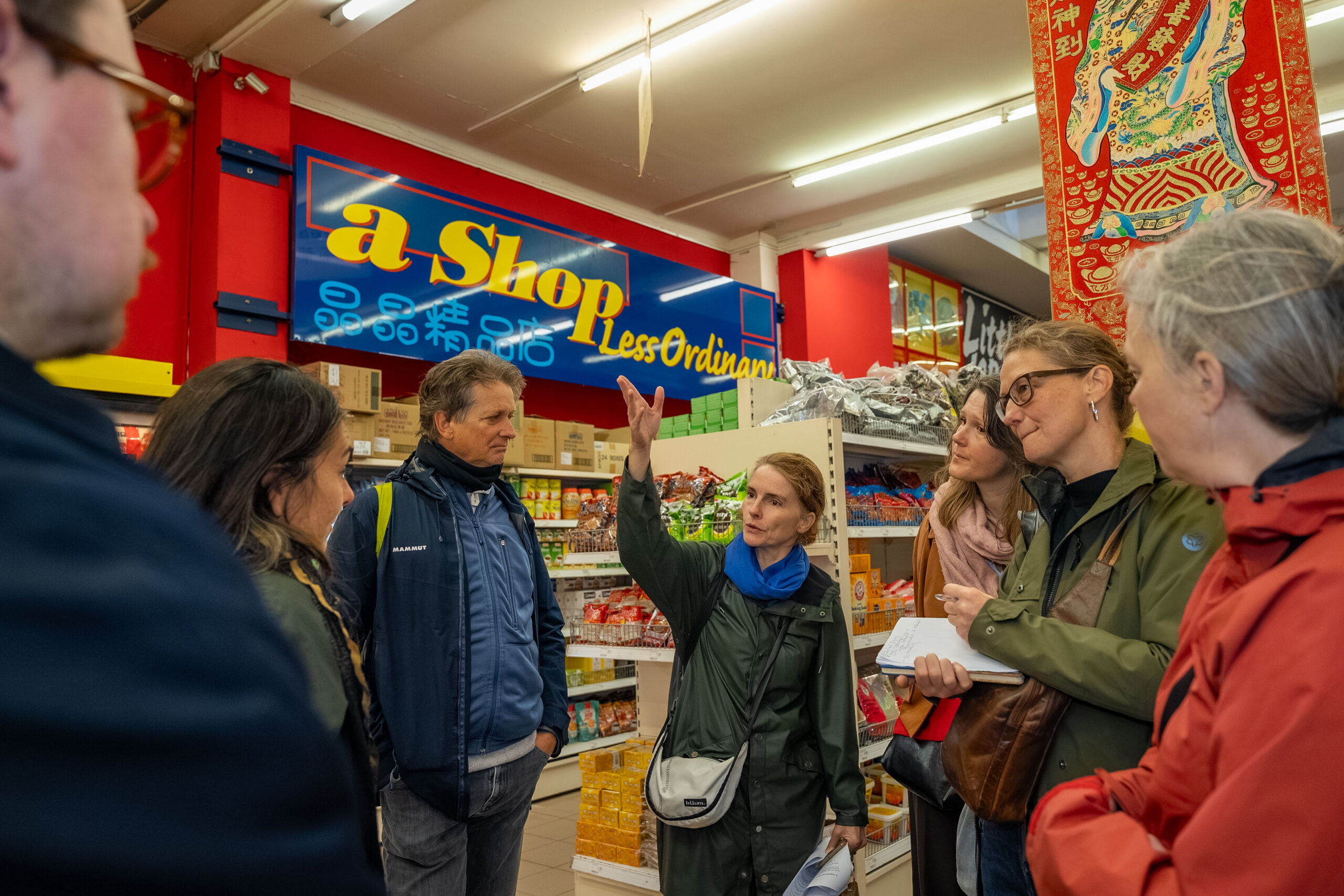
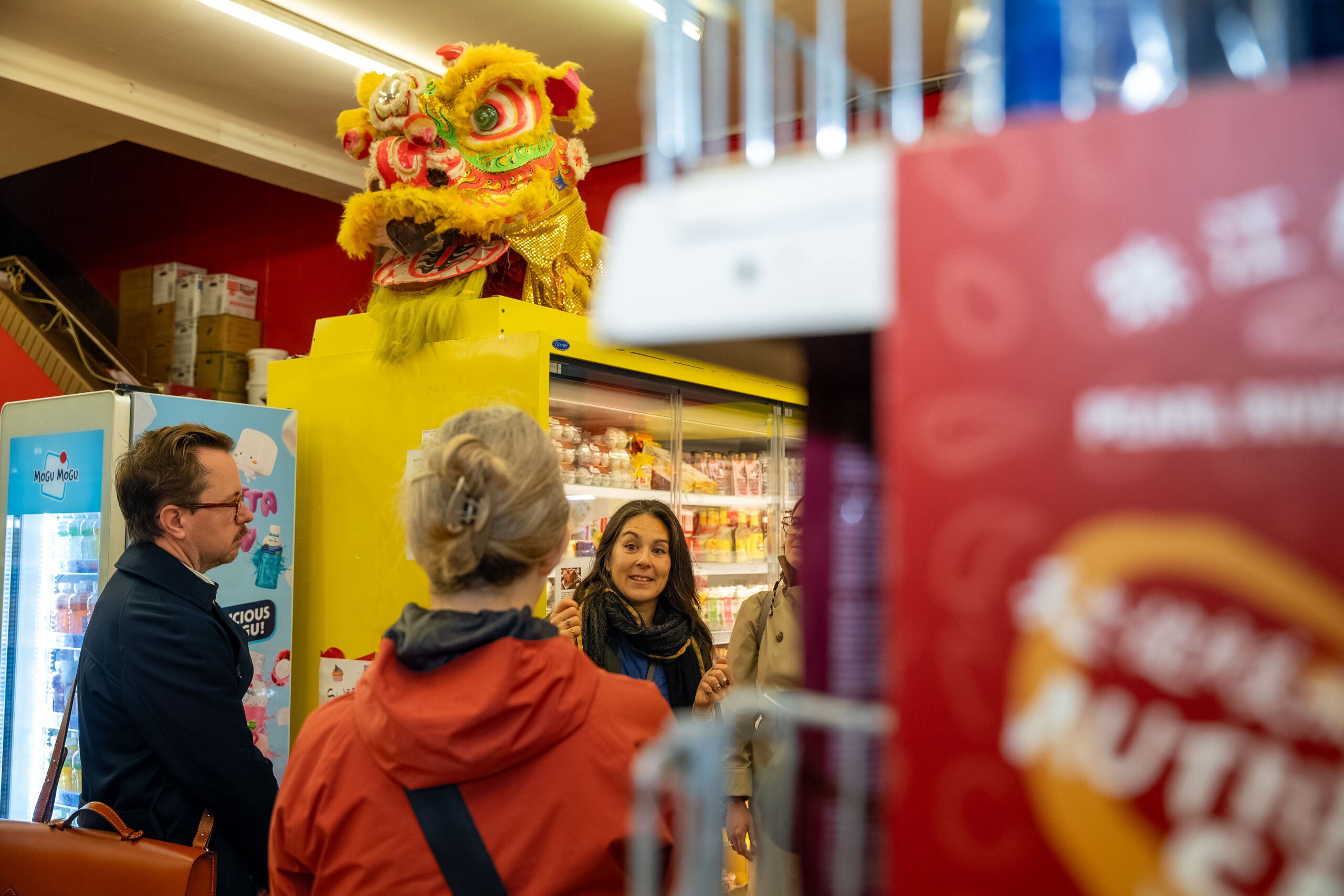
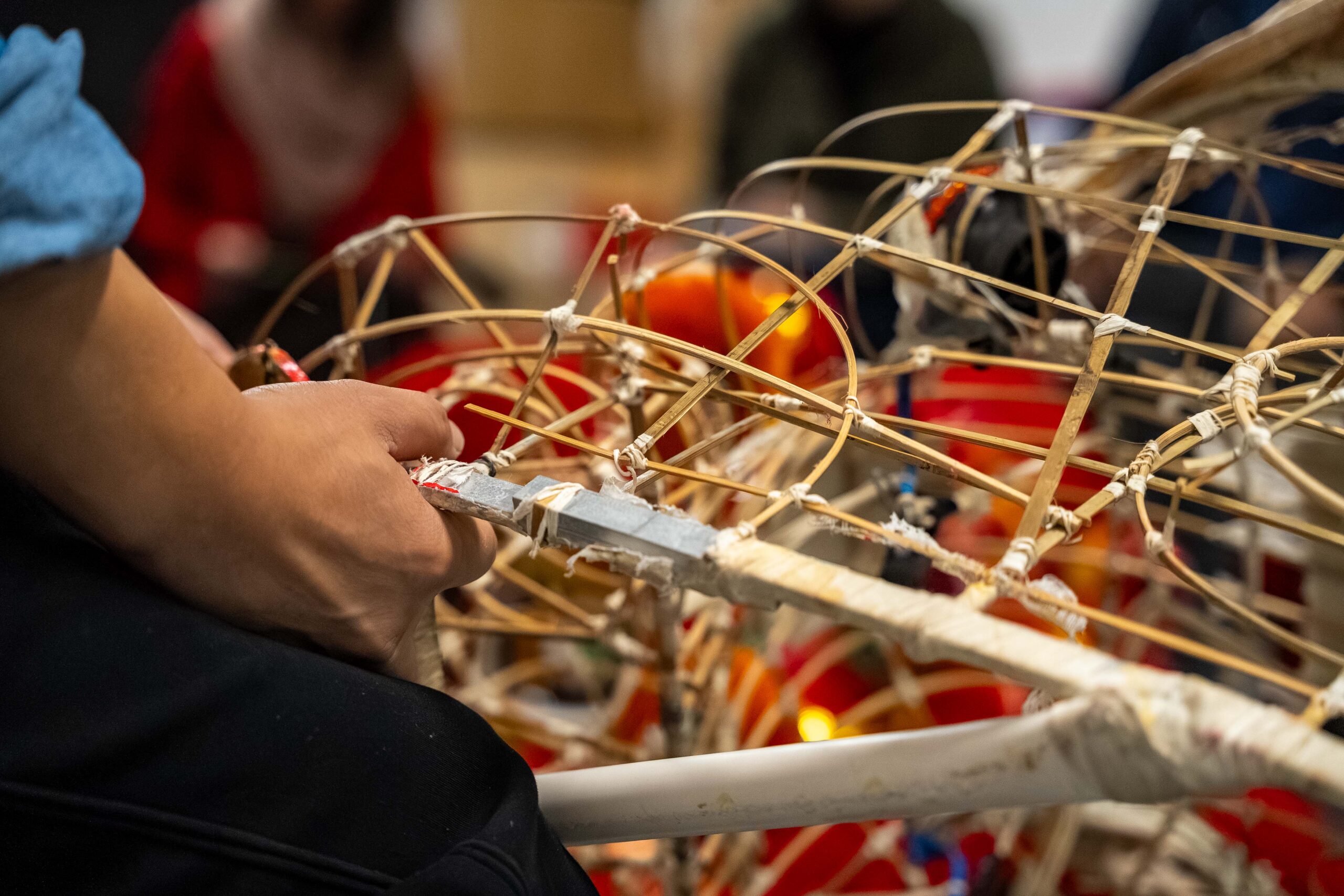
The field trip to Antwerp’s Chinatown and 2060 quarter introduced lion dance and kung fu heritage, exploring their place within the urban environment and the communities that practise them.
The visit offered a perspective on the relationships between cultural practices, neighbourhood life and the spaces in which traditions are taught, performed and transmitted. The group work also reflected on how these practices can remain visible and accessible in a changing city, while evolving alongside the cultural life and communities in urban neighbourhoods.
At Park Spoor Noord, participants explored urban sports and their relationship with public space. The visit raised questions about how the design, accessibility and use of urban spaces influence cultural and social practices.
The workshop considered how urban planning can shape the conditions in which practices develop, and how the needs of the people who use these spaces can be taken into account.
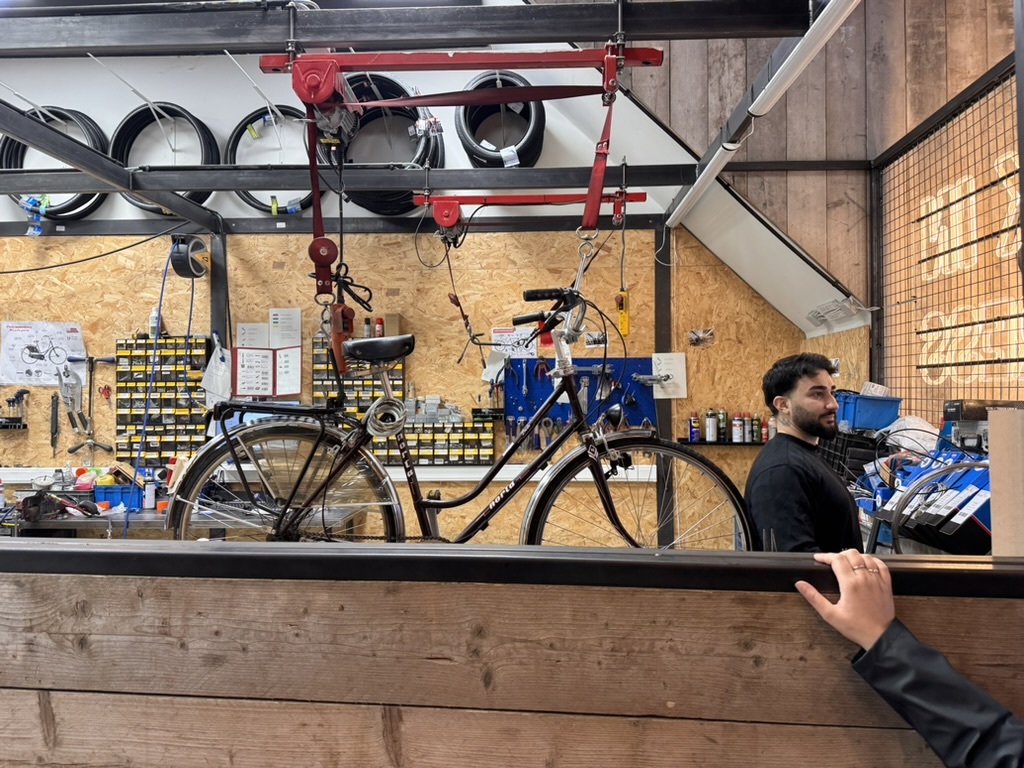
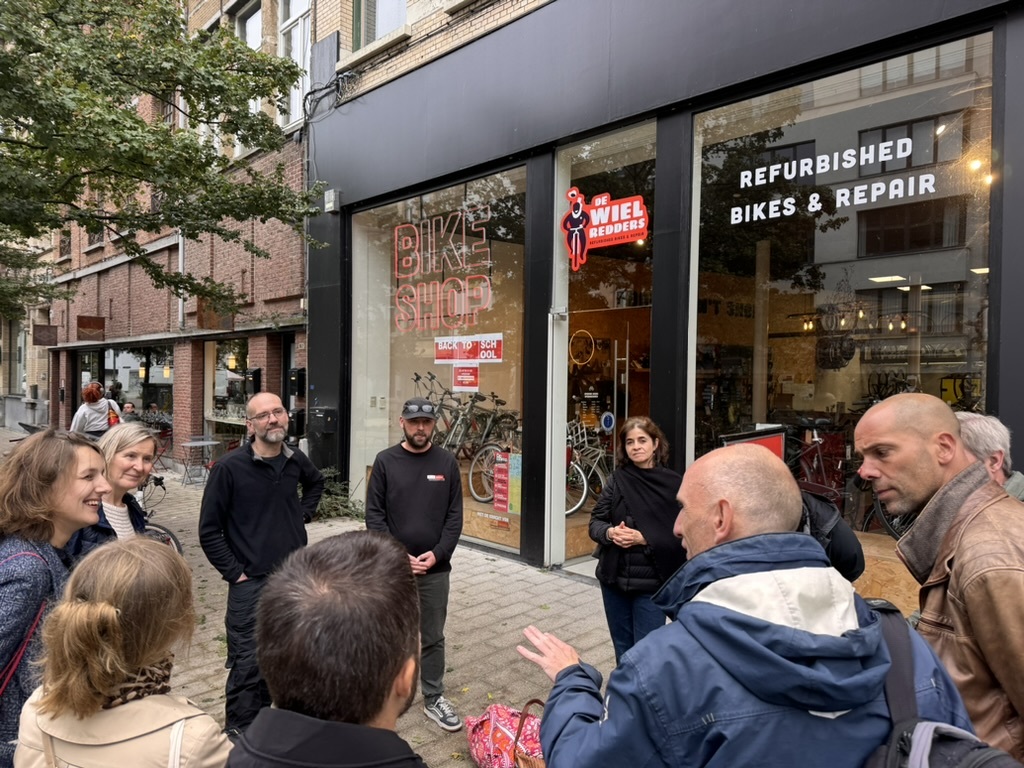
The field trip focusing on cycling culture examined the relationship between a broadly shared everyday practice and the urban structures that support it.
The workshop explored how infrastructure, mobility, public space, civil society initiatives and wider social habits influence the ways in which practices are maintained and transmitted. The exercise also highlighted the value of examining living heritage in relation to the ordinary spaces and routines of urban life.
Bringing different perspectives together
A central aspect of the workshop was the dialogue between the people who practise and safeguard living heritage and those who study, manage or plan the environments in which it takes place. Practitioners bring knowledge of the meanings, relationships and practical requirements that sustain their traditions. Heritage professionals and researchers can contribute analytical perspectives and methodological approaches, while urban planners and other city stakeholders bring knowledge of planning processes, infrastructure and the management of urban spaces.
Bringing these perspectives together can help identify challenges that might otherwise remain overlooked and open up possibilities for collaborative action.
The exercises also highlighted the importance of grounding discussions in specific contexts. The relationship between a heritage practice and its urban environment varies from one context to another. Understanding these differences is a crucial step towards identifying safeguarding measures that respond to the needs of the heritage communities, groups and individuals concerned.
Continuing the exchange
This workshop is part of the ongoing work to strengthen knowledge and capacity for safeguarding living heritage in urban contexts. By combining methodological guidance with practical exercises and direct engagement with local practices, it created space for participants to explore how the relationship between living heritage and urban planning can be approached in practice.
The discussions in Antwerp reinforced the importance of considering the people, places, spaces and relationships that enable living heritage to continue. They also underlined the value of dialogue across sectors when addressing the challenges and opportunities associated with urban change.
FLAME warmly thanks María Claudia López, lead facilitator of the international process behind UNESCO’s Guidance Note on Safeguarding Intangible Cultural Heritage in Urban Contexts and its related training materials, for guiding this work. By creating opportunities for exchange, shared learning and practical experimentation, the workshop contributed to ongoing conversations about how cities can recognise and support the living heritage and the heritage communities that shape them.

More Information
Resources from the FLAME workshop on Living Heritage in Urban Contexts will soon be available.
Stay tuned for updates!