FLAME Participates in the 11th General Assembly of the 2003 UNESCO Convention
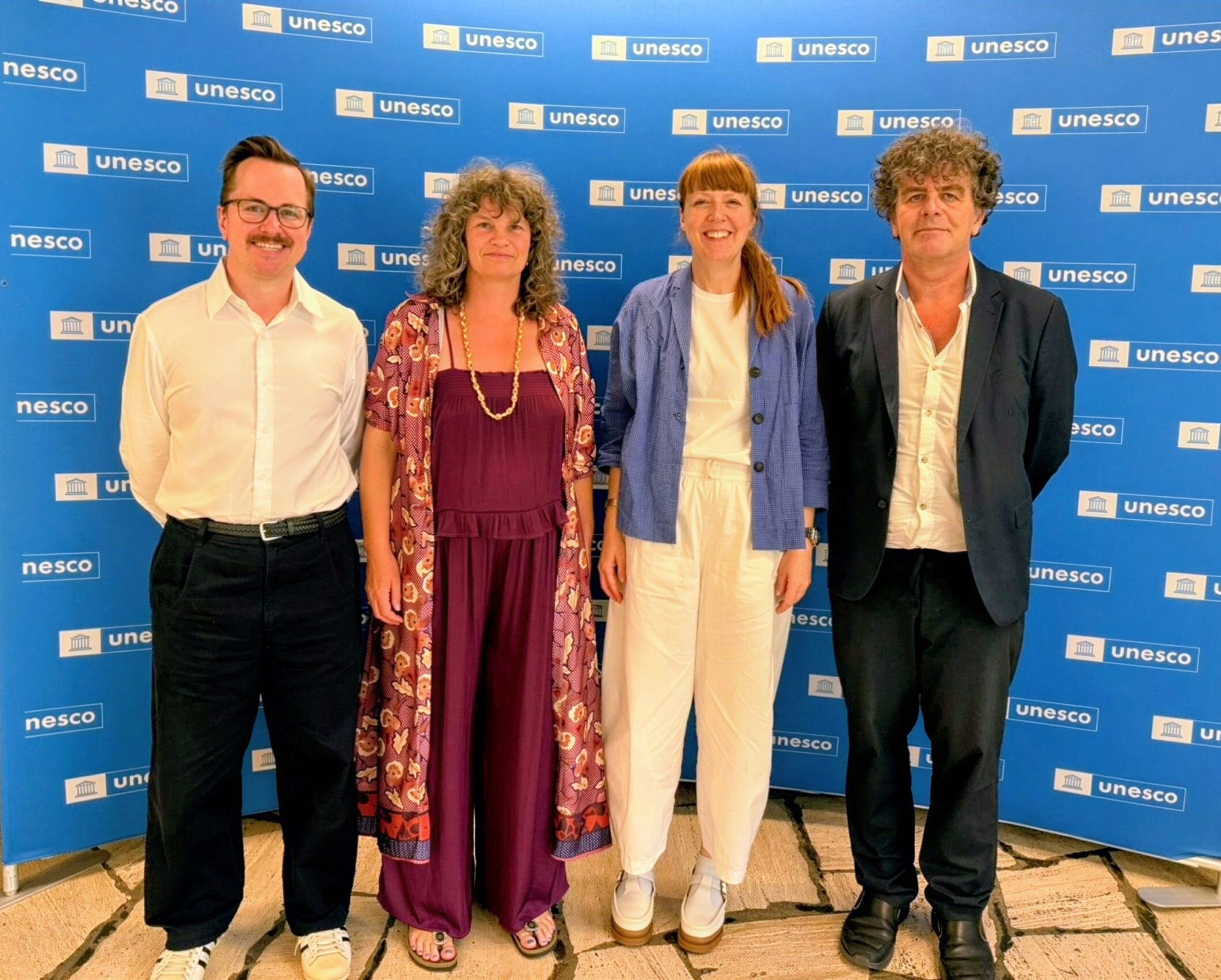
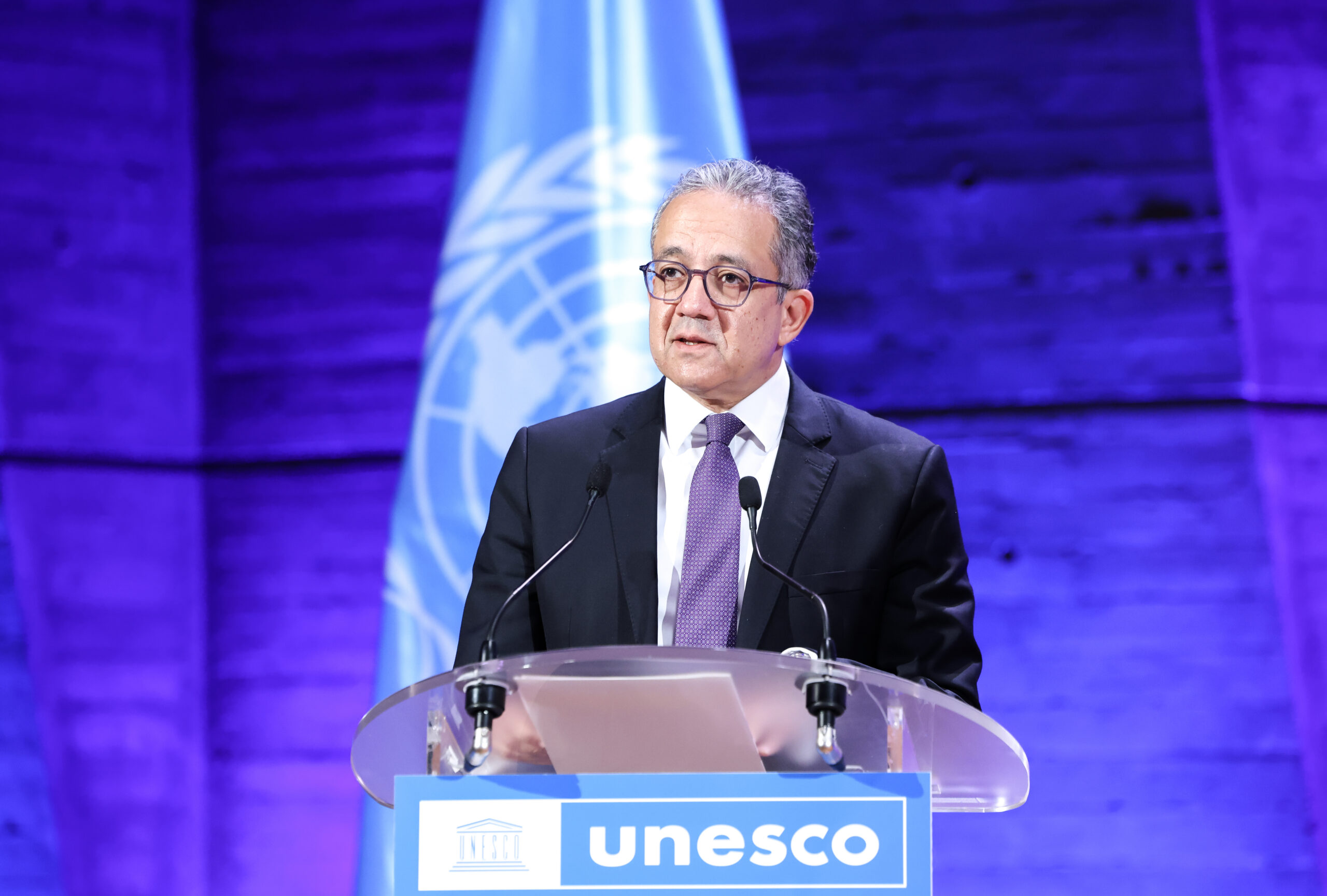
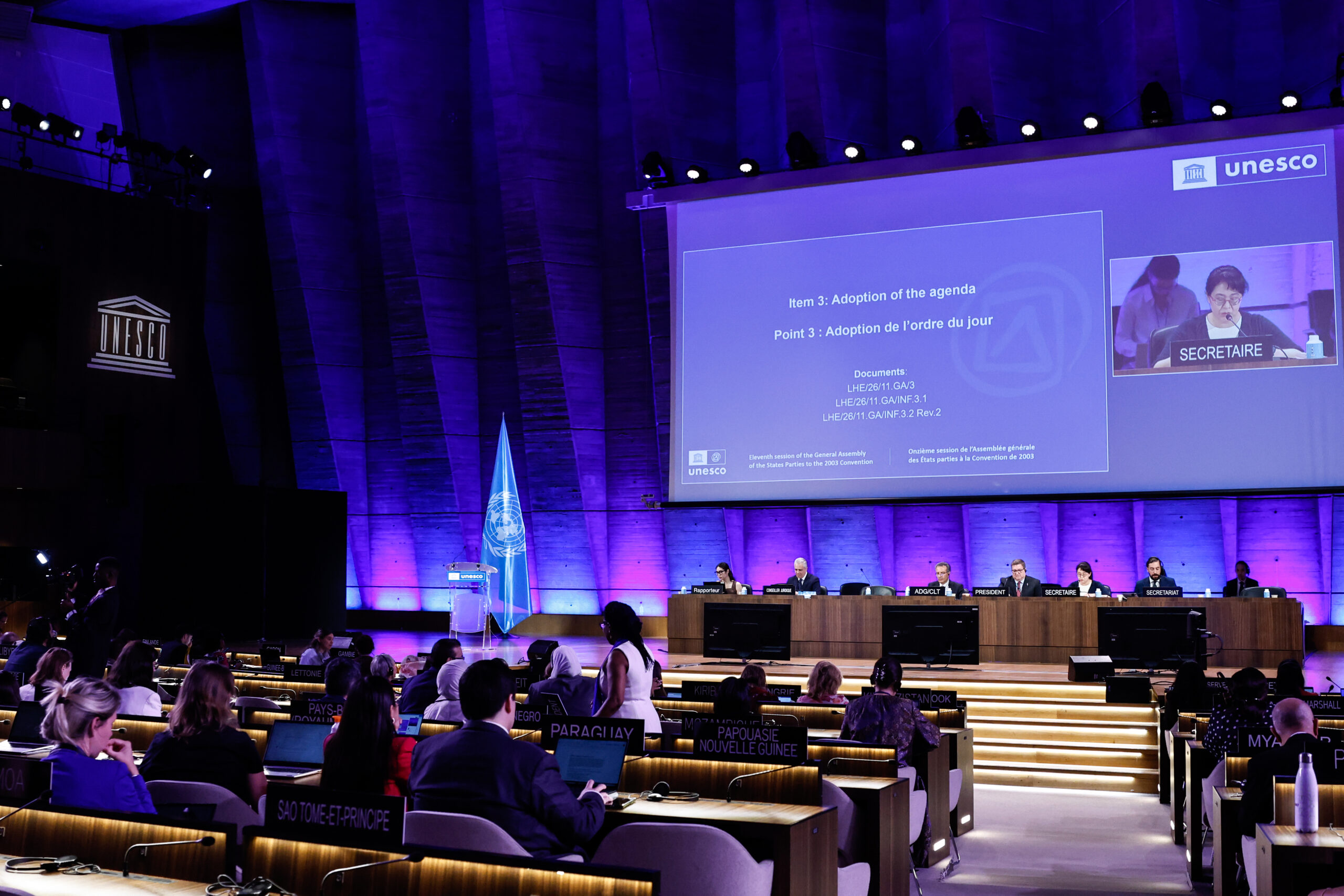
FLAME recently participated in the 11th General Assembly (11GA), held at UNESCO Headquarters in Paris.
The General Assembly is not just a formality as biannual statutory meeting: this 11GA offered a valuable opportunity to jointly reflect on how the implementation of the Convention continues to evolve. Discussions throughout the two-day meeting highlighted a shared ambition to make the Convention more effective, more collaborative, and more responsive to the realities faced by communities safeguarding living heritage around the world.
Key discussions were held on the Convention’s listing mechanisms and the continued development of the global Reporting process. These two pillars are central to how the Convention operates: the listing mechanisms shape international recognition and visibility of living heritage, while Periodic Reporting provides a framework for assessing how safeguarding is realized in practice. Together, they offer important opportunities to reflect on the effectiveness of current approaches, identify challenges, and support more informed and coordinated safeguarding efforts across countries and regions. Monitoring and periodic reporting are becoming strategic governance tools, closely linked to policy development and to the broader MONDIACULT agenda for measuring culture’s contribution to sustainable development.
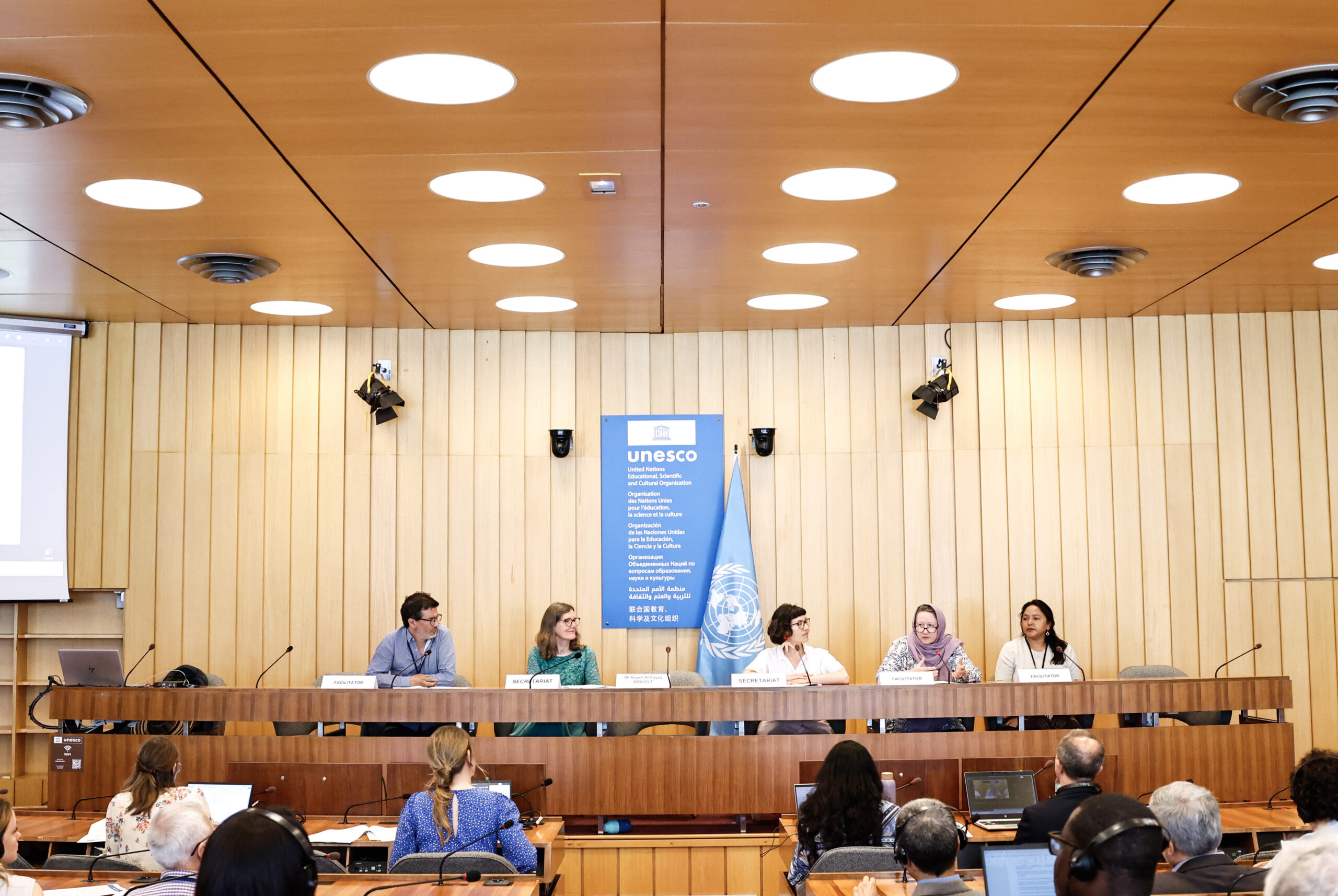
Another strong message emerging from the General Assembly was the importance of investing in people and partnerships. Through the decisions on the ICH Fund and the new funding priorities the Convention’s focus shifts further toward human well-being, community empowerment, and inclusion, reflecting a broader understanding of living heritage’s contribution to sustainable development. This is also being supported through the Global Capacity-Building Programme. an inspiring programme bringing together members of UNESCO’s global network of facilitators in a panel discussion, participants reflected on the value of peer learning, regional cooperation, and long-term capacity development in supporting the implementation of the Convention.
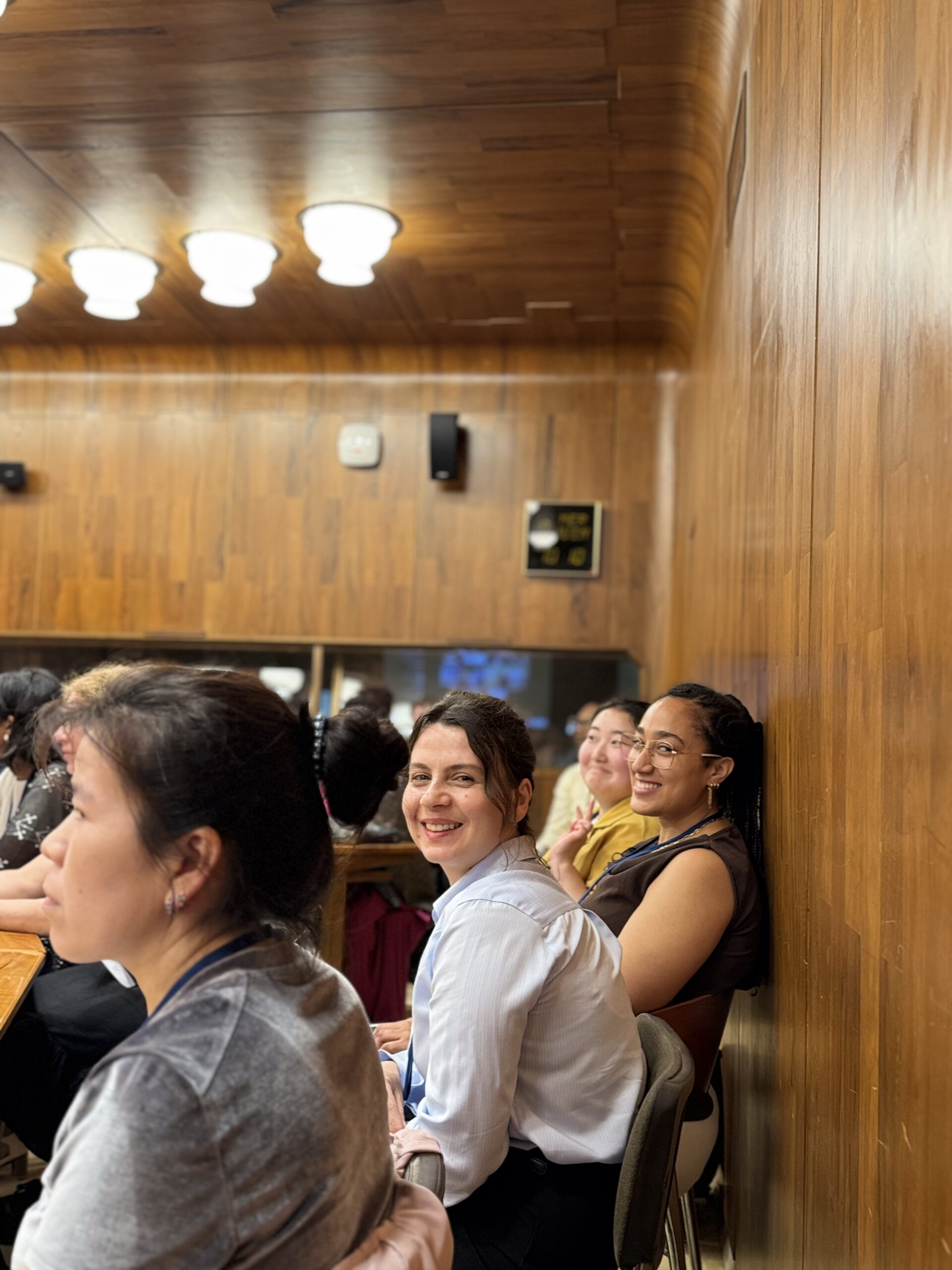
This perspective was also echoed during the Coordination Meeting of the UNESCO Category 2 Centres, which FLAME had the opportunity to attend as an observer. The meeting offered valuable exchanges with colleagues from the Centres for the safeguarding of intangible heritage on recent achievements, future priorities -including support for the next cycle of Periodic Reporting- and the role that regional institutions can play in connecting expertise, strengthening cooperation, and supporting implementation of the Convention. We warmly thank the UNESCO Secretariat for the invitation, as well as the representatives of the Category 2 Centres for their openness, advice, and kind welcome.
For FLAME, the discussions throughout the General Assembly on recurring themes such as international cooperation, regional networking, capacity-building, realizing and monitoring impact and inclusion, strongly resonate with the Centre’s mission and strategic priorities. They also reaffirmed the value of understanding not only why safeguarding actions are being implemented, and how they contribute to more sustainable, inclusive, and impactful safeguarding of living heritage. These priorities are at the heart of FLAME’s work, and we look forward to continuing to contribute to these collective efforts alongside our partners across Europe and beyond.